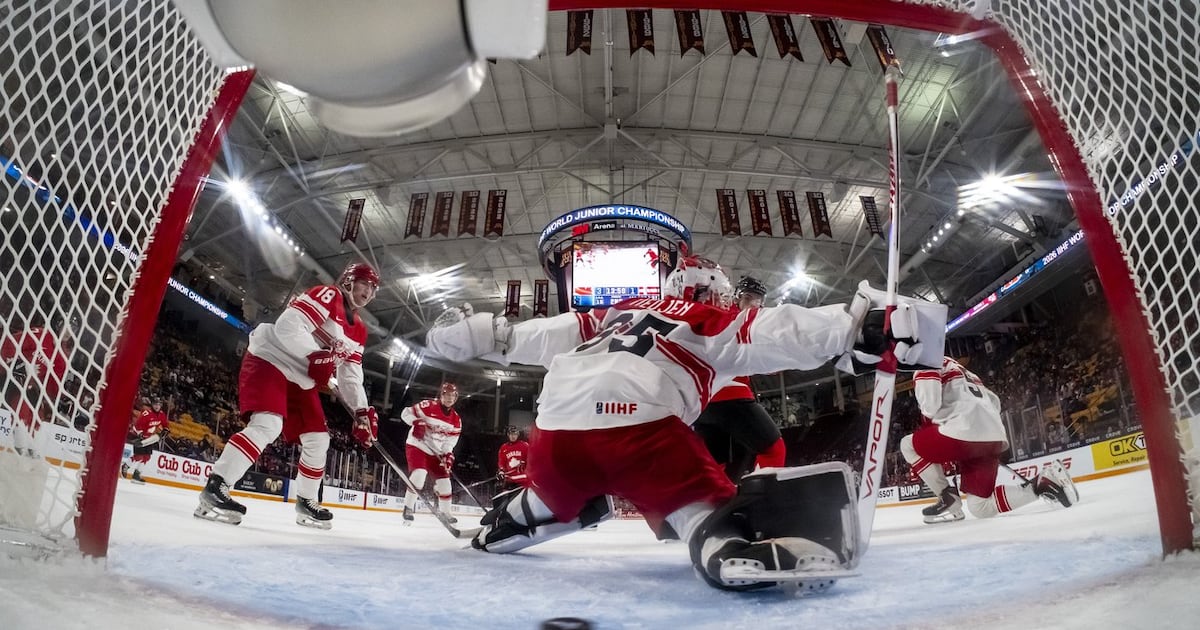
Prime Minister Mark Carney has announced that Russian hockey players will not be permitted to enter Canada to compete in the upcoming World Junior Championship. The decision establishes a firm national position on international sports participation amidst ongoing global geopolitical tensions, ensuring that Russian athletes will remain excluded from the elite junior tournament.
The announcement comes following intense debate within international sports federations regarding whether athletes from banned nations could compete under neutral flags or through legal appeals to sports arbitration bodies. By refusing entry to Russian competitors, the Canadian government effectively pre-empts potential rulings by international governing bodies, ensuring that the tournament proceeds without Russian representation on Canadian soil.
Broad Support and Geopolitical Context
Public reaction to the government's stance has been overwhelmingly supportive, particularly among observers who view international athletics as inseparable from international diplomacy. Many point out the specific cultural and regional significance of hosting the tournament in western Canada, where deep historical ties to Ukraine run strong.
"The World Juniors will be held in Alberta. Alberta has one of the most significant Ukrainian diasporas in the world. It would have been an abomination to let Russians compete in this tournament," noted one observer, emphasizing the localized resonance of the government's decision.
Others welcomed the move as a long-overdue alignment with European allies who have taken similarly strict lines against Russian participation in international sports. "Good. I was afraid Carney wouldn't want to commit, but with Scandinavia all in he was starting to look left out," shared another commentator, highlighting Canada's decision to join Nordic nations in enforcing total exclusion.
Debate Over Consistency in International Sports
While the decision was met with widespread approval, it also rekindled discussions around how international sporting bodies handle political conflicts and state actions across different regions. Some debate whether athletic bans should extend more broadly to other nations involved in international disputes or military operations.
"Yes I'm aware of the dichotomy of allowing the Yanks to when they're pulling all their shit but it still doesn't mean I want the Russians in," remarked one fan, capturing the nuance and occasional contradictions inherent in modern sports diplomacy.
Questions have also arisen regarding the distinction between international tournaments featuring national teams and private professional sports leagues, where Russian players continue to participate under club contracts across North America. "But Russian NHLers are alright? Where is the line drawn?" questioned one fan, pointing to the ongoing contrast between national team representation and professional employment.
Despite these broader debates, the government's ruling provides definitive clarity for tournament organizers and visiting teams. With border entry denied, the World Junior Championship will move forward without Russian participation, setting a firm precedent for host nation authority in international sports competitions.

