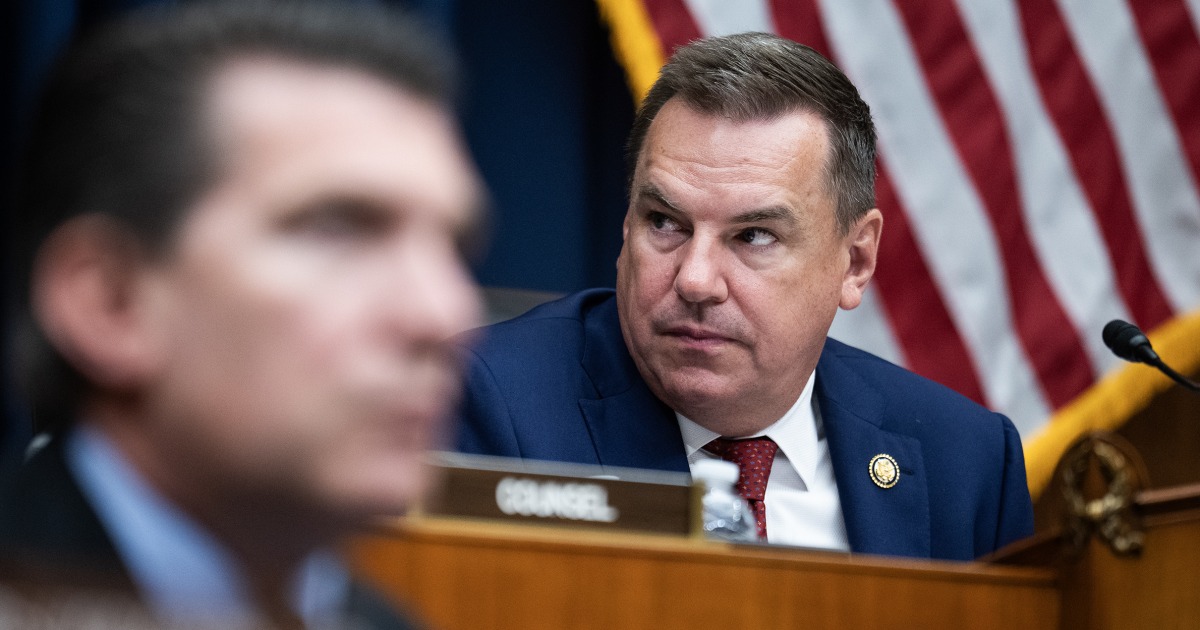
In one of the most remarkable turns of the midterm elections, U.S. Rep. Richard Hudson, the North Carolina Republican tasked with leading his party's national effort to retain control of the House of Representatives, lost his own re-election bid. Hudson, chairman of the National Republican Congressional Committee (NRCC), was defeated in North Carolina’s 9th Congressional District by Democratic candidate Richard Ojeda, a military veteran and former West Virginia state senator. Ojeda secured the seat by roughly two percentage points.
The outcome represents a seismic shift for the district, which had been held continuously by Republicans since 1963. Hudson's defeat underscores the depth of a Democratic wave that swept across North Carolina and key battlegrounds nationwide, turning traditionally safe seats into battlegrounds.
A Historic Defeat for Party Leadership
as head of the NRCC, Hudson was responsible for candidate recruitment, fundraising, and overall strategy to keep or expand the Republican majority in the House. His defeat makes him the second party campaign chief in the last two midterm cycles to lose his seat, following former Representative Sean Patrick Maloney, who served as Democratic Congressional Campaign Committee chairman when he lost his New York seat in 2022.
The loss highlighted the vulnerabilities inherent in electoral maps designed around prior voting trends. "That’s the drawback to extreme gerrymandering. Extremely vulnerable to wave elections," one observer noted, reflecting on how aggressive redistricting can leave incumbents with smaller safety margins across multiple districts when voter sentiment shifts broadly.
Top-of-the-Ticket Momentum and Downballot Effects
Hudson’s loss unfolded alongside a decisive Democratic victory at the top of the state ticket. In North Carolina’s high-profile U.S. Senate contest, Democratic former Governor Roy Cooper secured a major victory over Republican candidate Michael Whatley. National Republican groups had largely scaled back financial investments in the Senate race in its closing weeks after polls showed Cooper establishing a substantial lead.
Cooper ultimately defeated Whatley by nearly 20 percentage points. Political analysts note that the strong top-of-the-ticket performance generated significant momentum for downballot Democratic candidates across the state, helping propel Ojeda past Hudson in the 9th District.
Looking Ahead
For Democrats, Ojeda's victory represents a major pickup and a symbolic triumph, bringing a decorated military veteran into a seat that had spent more than six decades under Republican control. For Republicans, losing the top official tasked with protecting their House majority adds a dramatic twist to an already challenging election night.
As the final vote counts solidify and the new legislative session approaches, attention will turn to how the altered balance of power shapes policy debates in Washington and sets the stage for future electoral battles.

