When actors step in front of the camera, they are often at the mercy of elements far harsher than what appears on screen. For Jennifer Lawrence, a summer shoot in Alberta left a lasting impression—and a realization that regional climate expectations do not always match on-set reality.
The Chill of an Alberta Summer
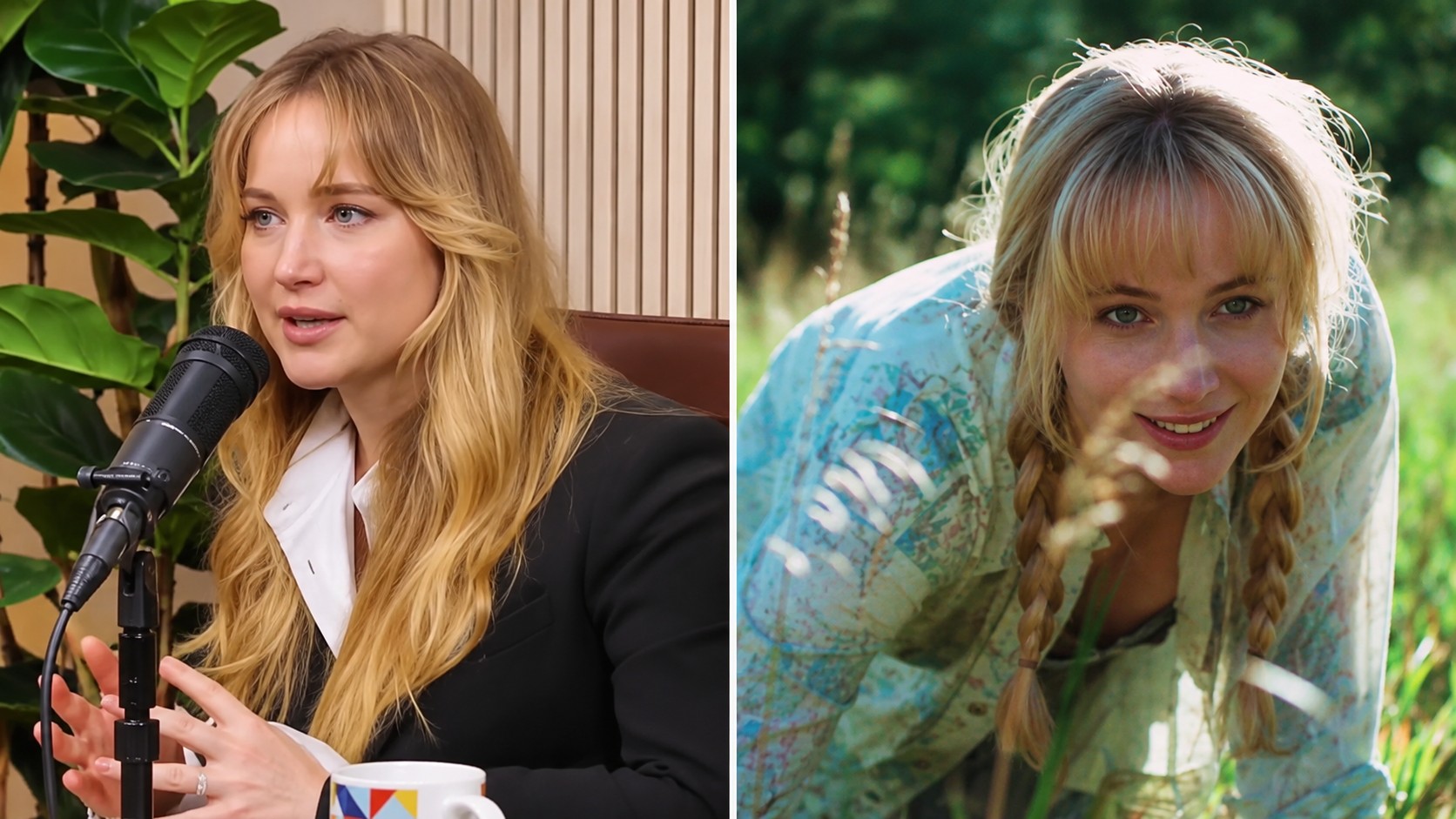
During an appearance on a podcast hosted by Amy Poehler, Lawrence reflected on the most punishing weather she has endured on a film set. While her initial thought went to the frozen lakes of The Hunger Games, she quickly pivoted to her experience filming Die My Love in Calgary during August.
Because the script called for warm weather, the wardrobe provided no heavy warming coats. Dressed in light attire, Lawrence found herself battling unexpected cold during outdoor scenes. The conditions proved so draining that she admitted to seeking out her trailer just to let the frustration out.
That anecdote sparked a wider debate about Canadian weather. Poehler chimed in with her own skepticism regarding warmer days north of the border, prompting quick pushback from locals who pointed out that Calgary regularly hits high summer temperatures. Data from Environment and Climate Change Canada shows that while August afternoons routinely bring warm, T-shirt-friendly weather, diurnal swings can cause temperatures to drop sharply by nightfall. Coupled with unsettled autumn transitions, open-field locations outside the city often feel significantly colder than airport thermometers indicate.
Behind the Scenes in Alberta
Despite the atmospheric surprises, the region has steadily established itself as a premier destination for prestige cinema. Directed by Lynne Ramsay and starring Lawrence alongside Robert Pattinson, Die My Love utilized a converted former dairy farm between Calgary and Airdrie as its narrative anchor, transforming open fields and local spaces into the backdrop for a tense domestic drama.
From provincial parks to suburban events centers, the surrounding landscape has repeatedly doubled for diverse settings. Yet, weather unpredictability remains a constant variable for incoming crews. While Lawrence contended with unexpected cold, other major productions have experienced the opposite problem—most famously The Revenant, which had to relocate parts of its winter shoot to South America after unseasonably warm weather melted the required snowpack.
Ultimately, whether a production requires endless cornfields, apocalyptic ruins, or rural isolation, the region offers a versatile canvas for filmmakers willing to brave the local climate.
The headline is like catnip for Reddit lol
It's the home of punching up comedy fans
Gotta love people complaining about punching down, basically calling themselves inferior.

